
Smart Pool Blog test-4
 Atishya Jain
•
10 Minutes read
Atishya Jain
•
10 Minutes read
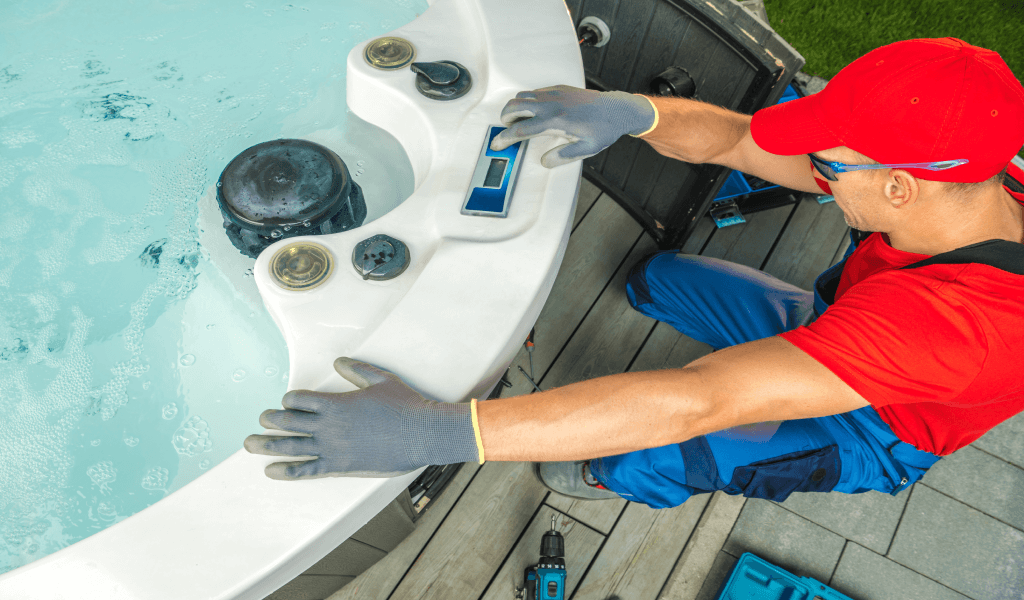
How to Keep Your Swimming Pool Clean and Healthy All Year
A clean swimming pool is more than just visually appealing—it creates a safer, healthier, and more enjoyable environment for everyone.
Regular pool maintenance helps prevent algae growth, keeps the water balanced, and extends the life of your pool equipment.Whether you own a residential pool or manage a commercial swimming facility, following a consistent maintenance routine can save you time and money in the long run.
Why Regular Pool Maintenance Matters
Swimming pools are constantly exposed to dirt, dust, leaves, sunlight, and other contaminants. Without proper maintenance, these contaminants can quickly affect water quality.
Regular cleaning and water testing help keep your pool looking clear while maintaining a comfortable swimming environment.
Prevents Algae Growth
Algae can grow quickly when pool water is not properly maintained. Green, yellow, or black algae can make the pool unpleasant and difficult to clean.
Keeping the water properly balanced and maintaining adequate sanitizer levels can significantly reduce the risk of algae growth.
Protects Pool Equipment
Dirty or chemically unbalanced water can also affect your pool equipment. Filters, pumps, heaters, and other components may have to work harder when the water contains excessive debris or contaminants.
Regular maintenance helps your equipment operate efficiently and can reduce unnecessary repairs.
How Often Should You Clean Your Pool?
The ideal cleaning schedule depends on factors such as pool usage, weather conditions, surrounding vegetation, and the type of pool.
For most residential pools, a basic maintenance routine should be performed several times a week.
Skim the Pool Surface
Leaves, insects, and other debris can accumulate on the surface of the water. Using a pool skimmer regularly prevents this debris from sinking to the bottom.
Skimming the pool every few days is a simple step that can make the rest of your cleaning routine much easier.
Brush the Pool Walls
Brushing the walls and floor of your pool helps remove dirt and prevents algae from attaching to surfaces.
Pay particular attention to corners, steps, ladders, and areas where water circulation may be weaker.
Understanding Pool Water Chemistry
Maintaining the correct water chemistry is one of the most important parts of pool care.
Water that is not properly balanced can cause cloudy water, skin irritation, scaling, or damage to pool equipment.
Check the pH Level
The pH level determines how acidic or alkaline your pool water is. Maintaining the recommended range helps ensure that sanitizers work effectively and makes the water more comfortable for swimmers.
Testing your pool water regularly allows you to identify problems before they become more difficult to manage.
Maintain Proper Sanitizer Levels
Sanitizers help control bacteria and other microorganisms in swimming pool water.
Chlorine is commonly used for this purpose, although other sanitation systems are also available. The important thing is to maintain the appropriate level according to your pool system and manufacturer's recommendations.
Pool Filtration and Circulation
Your pool's filtration system plays an important role in keeping the water clear.
The pump circulates water through the filter, where dirt and other particles are removed before the clean water returns to the pool.
Clean Your Pool Filter
Filters collect debris over time and eventually need to be cleaned or serviced.
The correct cleaning method depends on whether your pool uses a cartridge, sand, or diatomaceous earth filter.
Always follow the manufacturer's maintenance instructions for your specific filtration system.
Keep the Pump Running Properly
Proper circulation helps distribute chemicals evenly throughout the pool and prevents stagnant areas.
If you notice unusual noises, reduced water flow, or other changes in pump performance, inspect the system and consider professional servicing.
Common Pool Maintenance Mistakes
Even when pool owners perform regular maintenance, a few common mistakes can lead to problems.
Ignoring Small Changes in Water Color
Cloudy, green, or unusually colored water can indicate an underlying water chemistry or filtration problem.
Addressing these changes early is usually easier than waiting until the problem becomes severe.
Cleaning Only When the Pool Looks Dirty
A pool can have chemical or circulation problems even when the water appears clean.
Regular testing and maintenance are therefore important even when the pool looks perfectly clear.
Create a Simple Pool Maintenance Routine
The easiest way to stay consistent is to create a simple maintenance schedule.
A weekly routine might include:
- Checking water chemistry
- Skimming the surface
- Brushing pool walls and floors
- Emptying skimmer and pump baskets
- Inspecting the filtration system
- Checking water levels
- Looking for signs of algae or cloudy water
Following a regular schedule makes pool maintenance more predictable and helps prevent larger problems.
Final Thoughts
Keeping your swimming pool clean does not have to be complicated. A combination of regular cleaning, proper water chemistry, and good equipment maintenance can keep your pool looking clear and functioning properly throughout the year.
The key is consistency. Small maintenance tasks performed regularly can prevent much larger and more expensive problems later.
If you are unsure about your pool's condition or equipment, consulting a professional pool maintenance service can help identify potential issues and keep your swimming pool in excellent condition.